When most property owners think about cleaning and maintenance, they focus on visible surfaces—floors, countertops, carpets, and windows. Yet one of the most critical systems in any building remains hidden behind walls and ceilings: the air duct system. These ducts quietly circulate heated and cooled air throughout your home or commercial space every day. Over time, however, they can accumulate dust, debris, allergens, and other contaminants that impact both indoor air quality and HVAC performance.
Duct cleaning is not just about cleanliness—it’s about creating a healthier indoor environment and ensuring your heating and cooling systems operate efficiently. Understanding how air Duct Cleaning Salt Lake City works, when it’s needed, and the benefits it provides can help property owners make informed decisions about maintaining their HVAC systems.
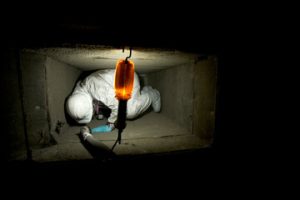
Understanding What Happens Inside Your Air Ducts
Air ducts are responsible for distributing conditioned air from your HVAC system into different rooms. Each time the system runs, air travels through a network of supply and return ducts. Along the way, particles such as dust, pet dander, pollen, and even microscopic debris can collect along the interior surfaces.
Although air filters capture a significant portion of airborne contaminants, they are not perfect. Over time, fine particles bypass filters or enter the system during filter changes. Renovation dust, construction debris, and everyday household activities can also contribute to the buildup inside ductwork.
In addition to dust accumulation, moisture can sometimes enter the duct system, especially in humid climates or poorly insulated areas. When moisture combines with organic debris, it creates an environment where microbial growth may develop. This combination of dust, allergens, and potential contaminants can circulate through your indoor air repeatedly.
Without proper cleaning, ducts can become a hidden source of indoor air quality issues.
How Dirty Ducts Affect Indoor Air Quality
Indoor air quality is a growing concern for many property owners. People spend a significant portion of their time indoors, and the air circulating within a building plays a major role in overall comfort and health.
When ducts are filled with accumulated debris, every HVAC cycle can redistribute particles back into living spaces. This can contribute to:
- Increased allergy or respiratory symptoms
- Persistent dust settles on surfaces shortly after cleaning
- Unpleasant or musty odors when the system runs
For individuals sensitive to airborne irritants, such as children, older adults, or those with respiratory concerns, contaminated ductwork may worsen discomfort. Even for healthy occupants, cleaner air contributes to better overall well-being and comfort.
Duct cleaning helps reduce the recirculation of contaminants, supporting a fresher and healthier indoor atmosphere.
The Connection Between Duct Cleaning and HVAC Efficiency
Beyond air quality, duct cleaning also plays a role in system efficiency. HVAC systems rely on unrestricted airflow to function properly. When ducts accumulate excessive dust and debris, airflow may become partially restricted.
Restricted airflow forces the HVAC system to work harder to distribute air evenly. This can lead to:
- Increased energy consumption
- Uneven heating or cooling throughout the property
- Additional strain on system components
When airflow improves after duct cleaning, the system often operates more smoothly. Clean ducts support better air distribution, which may help maintain consistent indoor temperatures and potentially reduce energy usage over time.
While duct cleaning is not a substitute for regular HVAC maintenance, it complements routine service by supporting system performance.
Signs Your Ducts May Need Cleaning
Many property owners are unsure when duct cleaning is necessary. Because ductwork is hidden, it is easy to overlook until noticeable issues arise.
Common indicators that duct cleaning may be beneficial include:
- Visible dust blowing from vents when the system starts
- Recent renovation or remodeling projects that generated debris
- Evidence of pest activity within ductwork
- Persistent musty or stale odors
- Excessive dust buildup throughout the property
If you notice that surfaces become dusty quickly despite regular cleaning, your ducts may be contributing to the issue. Likewise, after construction or renovation, debris can settle inside duct systems and circulate long after the project is complete.
Addressing these warning signs promptly can prevent more significant air quality concerns.
The Duct Cleaning Process Explained
Professional duct cleaning is a thorough and systematic process. It typically begins with an inspection of the duct system to assess buildup and identify potential issues. Technicians may use specialized tools or cameras to evaluate interior conditions.
The cleaning process often involves high-powered vacuum systems designed to remove debris without releasing it into the indoor environment. Agitation tools may be used to loosen stubborn dust and contaminants from duct surfaces before extraction.
In addition to cleaning the ducts themselves, professionals may also address related HVAC components, including:
- Air handlers
- Coils
- Registers and vents
By cleaning multiple parts of the system, the overall effectiveness of the service improves. The goal is not just to remove visible debris but to restore the entire air distribution system to a cleaner state.
Benefits Beyond Clean Air
While improved indoor air quality is a primary benefit, duct cleaning offers several additional advantages that property owners often overlook.
First, removing accumulated debris can help reduce unpleasant odors. Odors caused by dust, moisture, or past pest activity can linger inside ductwork. Cleaning these areas often results in a noticeable improvement in indoor freshness.
Second, duct cleaning may contribute to a quieter HVAC operation. When airflow becomes smoother and less restricted, some systems operate with reduced strain and noise.
Third, maintaining clean ducts can support long-term system durability. When HVAC components operate without unnecessary buildup, there may be less stress on motors, fans, and other parts. This can complement routine maintenance and potentially extend system lifespan.
How Often Should Duct Cleaning Be Done?
Unlike routine tasks such as replacing air filters, duct cleaning is not typically required multiple times per year. The recommended frequency depends on several factors, including occupancy levels, presence of pets, local air conditions, and recent renovations.
In many cases, duct cleaning every few years is sufficient. However, properties with higher dust levels, indoor pets, or allergy-sensitive occupants may benefit from more frequent inspections.
Rather than following a rigid schedule, property owners should evaluate their indoor air conditions and system performance. Consulting with professionals can help determine whether cleaning is necessary based on visible buildup and system usage.
Duct Cleaning and Property Value
For homeowners preparing to sell or lease a property, duct cleaning can be a valuable improvement. Clean air systems contribute to a more appealing and comfortable environment for potential buyers or tenants.
In commercial settings, maintaining clean ductwork demonstrates a commitment to health and cleanliness. Businesses that prioritize indoor air quality often create more comfortable work environments, which can positively influence employee satisfaction and productivity.
Though duct cleaning may not be immediately visible, its impact on air quality and HVAC performance supports the overall perception of a well-maintained property.
Common Misconceptions About Duct Cleaning
Despite its benefits, duct cleaning is sometimes misunderstood. One common misconception is that it is unnecessary to replace air filters regularly. While filter maintenance is essential, it does not eliminate all contaminants from entering the duct system.
Another misconception is that duct cleaning automatically solves all indoor air quality issues. In reality, it is one component of a broader maintenance plan that may include filter upgrades, humidity control, and HVAC servicing.
It is also important to understand that not every property requires immediate duct cleaning. Proper assessment and professional guidance ensure that cleaning is performed when it provides meaningful benefits.
Creating a Healthier Indoor Environment
Indoor comfort is about more than temperature control. Clean, fresh air contributes significantly to how a space feels and functions. Duct cleaning supports this goal by addressing hidden contaminants that can circulate unnoticed.
When combined with regular HVAC maintenance, timely filter replacement, and proper ventilation, duct cleaning becomes part of a comprehensive strategy for maintaining healthy indoor spaces.
Property owners who prioritize indoor air quality often notice improvements not only in cleanliness but also in overall comfort. Reduced dust, fewer odors, and smoother airflow can transform how a space feels daily.
Investing in Clean Air Systems
Air duct cleaning is an often-overlooked aspect of property maintenance, yet it plays a crucial role in supporting indoor air quality and HVAC efficiency. Over time, dust, debris, and potential contaminants accumulate within duct systems, quietly affecting the air you breathe and the performance of your heating and cooling equipment.
By addressing buildup through professional duct cleaning services, property owners can promote cleaner indoor air, improve airflow, and support long-term system performance. While it may not be needed frequently, periodic inspection and cleaning provide peace of mind and tangible benefits.
In today’s environment, where indoor comfort and health are top priorities, duct cleaning stands out as a proactive step toward creating cleaner, healthier, and more efficient indoor spaces. When viewed as part of a broader maintenance strategy, it becomes an investment not just in your HVAC system, but in the overall quality of your property.