Building a custom home is one of the most exciting and rewarding investments a homeowner can make. Unlike purchasing a pre-built property, custom home construction gives you complete control over design, layout, materials, and functionality. Every detail—from floor plan flow to finishing touches—can be tailored to fit your lifestyle, preferences, and long-term goals. However, while the opportunity to create a personalized living space is thrilling, the process itself can feel overwhelming without a clear understanding of what lies ahead.
Custom home construction is not a single event but a carefully structured journey that unfolds in multiple stages. Each phase plays a vital role in transforming your vision into reality. Knowing what to expect at every stage helps reduce stress, improve communication, and ensure that your project stays aligned with your budget and timeline. When managed properly, the process becomes not just manageable but deeply fulfilling. Head over to https://www.gkconstructionsolutions.com/ to discover more.
Initial Vision and Planning
The journey begins long before construction equipment arrives on-site. The first stage of custom home construction focuses on defining your vision and establishing a realistic plan. This is where ideas take shape and practical considerations enter the conversation. Homeowners often start by outlining their must-haves, aesthetic preferences, space requirements, and long-term lifestyle needs.
During this phase, it is essential to consider:
- The size and layout of the home.
- The number of bedrooms and bathrooms.
- Functional spaces such as home offices or recreational areas.
- Energy efficiency goals and sustainability preferences.
- Budget range and financing strategy.
Clear communication during the planning stage ensures that your expectations align with practical realities. It is also the time to evaluate site conditions, zoning regulations, and any restrictions that could influence design decisions. Thoughtful preparation at this stage lays the foundation for a smoother construction process.
Designing Your Custom Home
Once the initial vision is defined, the design phase begins. This stage transforms concepts into detailed architectural plans. Floor plans, elevations, structural drawings, and material specifications are developed to reflect both your personal style and construction feasibility.
Design collaboration is one of the most exciting parts of custom home construction. Homeowners work closely with design professionals to refine room layouts, window placements, ceiling heights, and exterior aesthetics. Decisions about materials—such as flooring, cabinetry, roofing, and siding—also begin during this stage.
Design development typically includes:
- Conceptual sketches and preliminary layouts.
- Detailed blueprints and structural engineering plans.
- Selection of interior and exterior finishes.
- Review of building codes and compliance requirements.
While creativity drives this phase, practicality must guide final decisions. A well-designed home balances beauty, efficiency, and structural integrity. Investing time in thorough design revisions minimizes costly changes during construction.
Budgeting and Contract Finalization
Before construction begins, financial planning becomes a priority. Custom home construction requires careful budgeting to ensure that every design element aligns with available resources. Detailed cost estimates are prepared based on material selections, labor requirements, and site conditions.
Transparency is crucial during this stage. A comprehensive contract should outline:
- The scope of work.
- Payment schedules.
- Estimated timelines.
- Change order procedures.
- Warranty information.
Understanding the financial structure of your project prevents surprises later. Homeowners should review contracts carefully and clarify any uncertainties before signing. Establishing clear expectations at this stage fosters trust and accountability throughout the construction process.
Site Preparation and Foundation Work
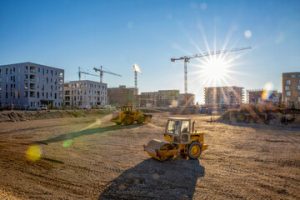
With plans approved and contracts signed, the physical construction process begins. Site preparation is the first visible step in bringing your custom home to life. This stage includes clearing the land, grading the site, and preparing utilities. Proper site preparation ensures that the structure will rest on stable, well-compacted ground.
Foundation work follows. Whether the home features a slab, crawl space, or basement foundation, this stage is critical to structural stability. Precision is essential, as errors in the foundation can impact the entire building.
During this stage, expect:
- Excavation and soil testing.
- Installation of footings and foundation walls.
- Waterproofing and drainage systems.
- Initial inspections for compliance.
Although foundation work may not be the most visually exciting phase, it is one of the most important. A strong foundation ensures durability and protects your investment for decades to come.
Framing and Structural Development
Once the foundation is complete, framing begins. This is the stage when your home starts to take visible shape. Walls, floors, and roof structures are constructed according to approved plans. For many homeowners, seeing the framework rise is a milestone moment that makes the project feel real.
Framing establishes the structural skeleton of the home. It defines room dimensions, window placements, and ceiling heights. During this phase, construction teams also install sheathing and roofing materials to protect the interior from weather exposure.
Inspections typically occur before moving forward. These evaluations ensure that structural elements meet safety and building standards. Accuracy during framing prevents alignment issues later when installing finishes and fixtures.
Mechanical, Electrical, and Plumbing Installation
After framing, the home enters what is often referred to as the “rough-in” stage. This involves installing mechanical systems, electrical wiring, and plumbing infrastructure. Although these elements remain hidden behind walls, they are essential to comfort and functionality.
During this stage, professionals install:
- HVAC systems and ductwork.
- Electrical panels, wiring, and outlets.
- Plumbing pipes and water lines.
- Insulation for temperature control.
Coordination is key, as multiple trades work simultaneously within the structure. Careful planning ensures that systems do not interfere with one another. Inspections follow rough-in work to verify safety and code compliance before walls are enclosed.
Interior and Exterior Finishes
Once systems are approved, drywall installation begins, marking the transition toward visible interior finishes. Walls are taped, sanded, and painted. Flooring, cabinetry, countertops, and trim work follow. Exterior siding, brickwork, or other finishes are also completed during this stage.
This phase often feels the most transformative. Spaces evolve from construction zones into livable environments. Homeowners may participate in final material selections, ensuring that colors and textures align with their original vision.
Attention to detail is critical during finishing. Minor imperfections can become noticeable once the home is fully completed. Quality craftsmanship ensures that the final product reflects both aesthetic excellence and structural precision.
Final Inspections and Walkthrough
As construction nears completion, final inspections take place. These evaluations confirm that all systems function properly and that the home meets regulatory requirements. Inspectors assess structural integrity, electrical safety, plumbing performance, and overall compliance.
Following inspections, homeowners participate in a walkthrough. This step provides an opportunity to identify any remaining issues, often referred to as punch list items. These may include minor adjustments such as paint touch-ups or hardware corrections.
The walkthrough is an essential part of quality assurance. It ensures that every aspect of the home meets agreed-upon standards before final handover.
Project Completion and Move-In
After addressing punch list items and receiving final approvals, the home is officially complete. At this stage, documentation is provided, including warranty details and maintenance guidelines. Understanding how to care for systems and finishes helps preserve your investment.
Moving into a custom-built home is a rewarding milestone. Every room reflects thoughtful planning and personalized choices. While the process may have included challenges, the result is a space uniquely tailored to your needs.
Tips for a Smooth Custom Home Construction Experience
Although custom home construction is complex, following a few best practices can make the journey more manageable:
- Maintain consistent communication with your construction team.
- Keep detailed records of selections and approvals.
- Plan for contingencies in both the budget and the timeline.
- Stay involved in key decision-making moments.
Flexibility also plays an important role. Construction projects may encounter unexpected delays due to weather, supply chain issues, or inspection scheduling. Maintaining realistic expectations and open dialogue helps prevent frustration.
Custom home construction is a multifaceted process that unfolds in clearly defined stages—from planning and design to foundation work, system installation, and final walkthrough. Each phase builds upon the previous one, creating a cohesive journey that transforms a vision into a fully realized home.
Understanding what to expect at every stage empowers homeowners to make informed decisions and collaborate effectively with their construction team. With careful planning, transparent communication, and attention to detail, custom home construction becomes not just a project but a transformative experience.
The result is more than a house—it is a personalized environment crafted to support your lifestyle for years to come. By approaching each stage with clarity and preparation, you can ensure that your custom home construction journey is as rewarding as the home itself.