Modern bathroom design has evolved far beyond its purely functional origins. Today, bathrooms are considered personal wellness spaces—places for relaxation, rejuvenation, and even quiet reflection. As homeowners place greater emphasis on comfort and aesthetics, bathroom design trends have shifted toward blending luxury with practicality. The result is a new era of bathroom spaces that feel more like private spa retreats than simple utility rooms. These transformations are driven by innovation in materials, smarter layouts, and a stronger focus on lifestyle-oriented design.
One of the most defining trends in modern Bathroom Remodeling Lexington KY design is minimalism. Clean lines, uncluttered surfaces, and streamlined fixtures dominate contemporary spaces. The goal is to create an environment that feels open, calm, and visually balanced. Minimalist bathrooms often rely on hidden storage solutions, wall-mounted fixtures, and neutral color palettes to achieve this effect. By reducing visual noise, these spaces promote relaxation and make even smaller bathrooms feel more spacious and breathable.
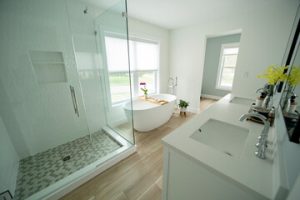
Alongside minimalism, there is a growing emphasis on natural elements and biophilic design. Incorporating organic textures and materials helps soften the overall look of a bathroom while creating a stronger connection to nature. Wood-inspired finishes, stone textures, and natural lighting are frequently used to achieve this effect. Plants also play a significant role, adding both aesthetic appeal and air-purifying benefits. This combination of natural elements creates a soothing atmosphere that enhances the sense of well-being within the space.
Another major trend shaping modern bathrooms is the rise of walk-in showers. Traditional enclosed tubs are increasingly being replaced by open, glass-enclosed shower spaces that prioritize accessibility and visual openness. Walk-in showers often feature frameless glass panels, rainfall showerheads, and built-in seating for added comfort. This design not only improves functionality but also contributes to a sleek, modern aesthetic. The absence of bulky enclosures makes the entire bathroom feel larger and more cohesive.
Technology has also become an integral part of bathroom design. Smart features are now being incorporated to enhance convenience, efficiency, and personalization. From motion-sensor lighting to digital shower controls, these innovations are transforming how people interact with their bathrooms. Heated flooring systems, anti-fog mirrors, and water-efficient fixtures are becoming increasingly common. These advancements not only improve comfort but also contribute to sustainability by reducing energy and water consumption.
Lighting design has also undergone a significant transformation in modern bathrooms. Instead of relying on a single overhead fixture, designers now use layered lighting strategies to create depth and flexibility. Ambient lighting provides overall illumination, task lighting ensures functionality around mirrors and sinks, and accent lighting highlights architectural features or decorative elements. This multi-layered approach allows homeowners to adjust the mood of the space depending on the time of day or activity.
Color trends in bathroom design have also shifted toward more sophisticated and calming palettes. While bright whites remain popular for their clean and timeless appeal, there is a noticeable increase in the use of soft earth tones, muted grays, and warm neutrals. These colors create a serene environment that feels both modern and inviting. Darker accents, such as matte black or deep navy, are often used sparingly to add contrast and visual interest without overwhelming the space.
Storage solutions have become increasingly innovative in modern bathroom design. With the rise of minimalism, the need for efficient and discreet storage has grown significantly. Designers are now incorporating built-in niches, floating vanities, and recessed shelving to maximize space without sacrificing style. These solutions help maintain a clean and organized appearance while ensuring that essential items remain easily accessible.
To better understand the key elements shaping today’s bathroom design trends, consider the following core features:
- Minimalist Layouts: Focus on simplicity, open space, and reduced clutter for a calming environment.
- Natural Materials: Use of wood, stone, and organic textures to create warmth and connection to nature.
- Smart Technology Integration: Incorporation of digital controls, energy-efficient systems, and automated features.
Another significant trend is the increasing popularity of freestanding bathtubs. These sculptural elements serve as focal points within the bathroom, adding a sense of luxury and sophistication. Unlike built-in tubs, freestanding designs offer flexibility in placement and often feature elegant, contemporary shapes. They are particularly effective in larger bathrooms where they can be showcased as statement pieces. Even in smaller spaces, compact versions are being introduced to bring a touch of luxury without overwhelming the layout.
Sustainability has also become a driving force in modern bathroom design. Eco-friendly materials, water-saving fixtures, and energy-efficient lighting are now standard considerations in many renovation projects. Low-flow toilets and faucets, for example, help reduce water consumption without compromising performance. Similarly, LED lighting systems provide long-lasting illumination while consuming significantly less energy than traditional bulbs. These sustainable choices not only benefit the environment but also contribute to long-term cost savings.
Texture layering is another design approach gaining traction. Instead of relying solely on color, designers are combining different textures to create depth and visual interest. Matte finishes paired with glossy surfaces, rough stone contrasted with smooth tiles, and soft textiles combined with hard fixtures all contribute to a more dynamic space. This approach allows bathrooms to feel more customized and visually engaging without relying on excessive decoration.
Mirror design has also evolved significantly in modern bathrooms. Beyond their functional role, mirrors are now considered key design elements. Large, frameless mirrors are commonly used to enhance the perception of space, while backlit mirrors add a soft glow that improves both functionality and ambiance. Some designs even incorporate smart features such as built-in lighting controls, anti-fog technology, and touch sensors, further blending practicality with innovation.
To enhance functionality and style, many homeowners are incorporating the following upgrades into their bathroom designs:
- Floating Vanities: These create the illusion of more floor space while offering a sleek, modern look.
- Frameless Glass Showers: Enhance openness and allow natural light to flow throughout the space.
- Textured Accent Walls: Add depth and personality without overwhelming the overall design.
Ventilation and air quality are also receiving more attention in modern bathroom design. Proper airflow is essential for maintaining a healthy environment and preventing moisture-related issues such as mold and mildew. Advanced ventilation systems are being integrated into bathroom layouts to ensure consistent air circulation. In addition, humidity-sensing fans and silent exhaust systems are becoming more common, offering both efficiency and comfort.
Another notable trend is personalization. Modern bathrooms are increasingly designed to reflect individual lifestyles and preferences. Whether through custom tile patterns, unique lighting fixtures, or tailored storage solutions, homeowners are seeking ways to make their bathrooms feel distinct and personal. This shift away from standardized designs has led to more creative and expressive spaces that still maintain functionality and cohesion.
Ultimately, modern bathroom design is about balance—balancing aesthetics with practicality, innovation with comfort, and simplicity with sophistication. Every element, from lighting and layout to materials and technology, plays a role in shaping the overall experience of the space. The best designs are those that not only look beautiful but also enhance daily routines and improve quality of life.
In conclusion, today’s bathroom design trends reflect a broader shift toward creating spaces that support wellness, efficiency, and personal expression. Minimalist layouts, natural materials, smart technology, and sustainable choices are all contributing to the transformation of bathrooms into highly functional yet visually appealing environments. As these trends continue to evolve, bathrooms will remain a central focus in home design, offering homeowners the opportunity to combine style, comfort, and innovation in one essential space.